How to Remove Dark Circles Under Eyes Naturally and Effectively
How to remove Dark circles under eyes are one of the most common cosmetic concerns affecting people of all ages, skin types, and lifestyles. Whether you’re a busy professional running on four hours of sleep or someone dealing with hereditary pigmentation, the good news is: you don’t have to live with them forever.
In this comprehensive guide, we’ll walk you through 10 science-backed and dermatologist-recommended remedies that genuinely work — plus explain what’s causing those shadows so you can tackle the problem at its root.
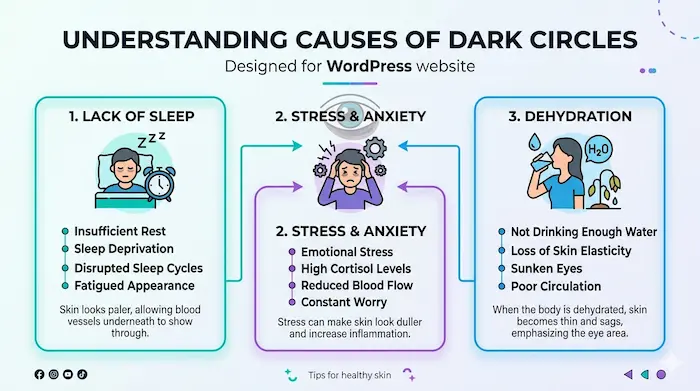
Table of Contents
What Are Dark Circles Under the Eyes?
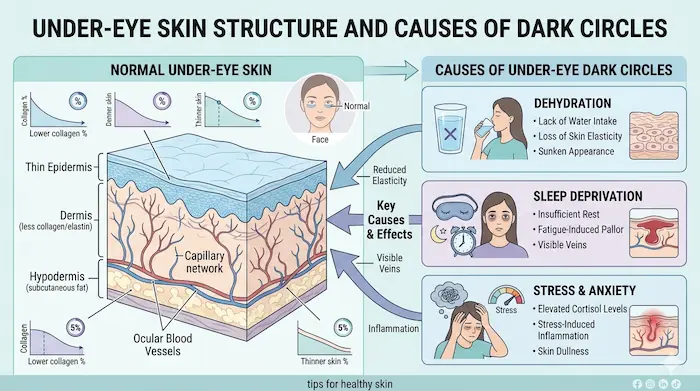
Dark circles, medically known as periorbital hyperpigmentation, refer to the darkening of the skin underneath and around the eyes. The skin in this area is extremely thin — approximately 0.5mm, compared to 2mm elsewhere on the face — making blood vessels and underlying tissue far more visible.
Unlike a simple bruise or temporary puffiness, dark circles can be stubborn and multifactorial. According to the American Academy of Dermatology (AAD), they’re often a combination of genetics, lifestyle habits, and natural aging rather than a single isolated cause. Understanding this distinction is critical to picking the right remedy.
What Causes Dark Circles? Common Triggers
Before diving into treatments, it helps to understand why dark circles appear. Here are the most common culprits:
- Sleep deprivation and chronic fatigue
- Genetics and hereditary pigmentation
- Excessive sun (UV) exposure
- Allergies and nasal congestion
- Dehydration
- Natural aging and collagen loss
- Nutritional deficiencies (especially iron and Vitamin K)
- Chronic stress and elevated cortisol
- Anemia (iron deficiency)
- Habitual eye rubbing and digital eye strain
A 2012 study published in the Journal of Skin and Stem Cell identified pigmentation, vascular prominence, and structural changes as the three main mechanisms behind periorbital darkness — each requiring a slightly different treatment approach.
10 Remedies That Actually Work

1. Cold Compress or Ice Rollers
Best for: puffiness, vascular dark circles
A cold compress is one of the fastest, most accessible remedies you can try today. Applying cold to the under-eye area causes blood vessels to constrict, reducing the bluish-purple appearance caused by dilated capillaries.
Wrap a few ice cubes in a clean cloth or use a chilled stainless steel ice roller and gently press it under your eyes for 10–15 minutes each morning. For best results, store your eye cream or gel in the refrigerator — the combination of active ingredients and cold temperature is more effective than either alone.

2. Cucumber Slices
Best for: puffiness, mild pigmentation, soothing
Cucumber’s reputation as a skin remedy isn’t just spa mythology. Cucumbers contain ascorbic acid (Vitamin C) and caffeic acid, both of which help reduce water retention and calm inflamed skin. Their naturally high water content (96%) also provides a gentle cooling and hydrating effect.
Chill a cucumber in the refrigerator for 30 minutes, then cut thick slices and place them over closed eyes for 10–15 minutes. A study in the Fitoterapia journal found that cucumber extract exhibited significant anti-inflammatory properties, validating this time-honored remedy.
3. Cold Tea Bags (Green or Black)
Best for: vascular circles, puffiness, antioxidant benefits
Both green tea and black tea are rich in tannins and caffeine — two compounds with potent vasoconstrictive and antioxidant properties. Caffeine in particular shrinks blood vessels, reducing the dark shadowing caused by visible capillaries beneath thin under-eye skin.
Steep two tea bags in hot water for 3–5 minutes, then remove and refrigerate for 20 minutes. Once chilled, place one bag over each closed eye for 10–15 minutes. A 2012 review in the Journal of Nutrition and Metabolism confirmed that topical caffeine application noticeably reduces periorbital puffiness and discoloration.

4. Vitamin E Oil Massage
Best for: pigmentation, skin repair, hydration
Vitamin E (tocopherol) is a fat-soluble antioxidant that neutralizes free radicals — a primary driver of oxidative stress and skin darkening. Regular application can help repair damaged skin cells, even out pigmentation, and strengthen the delicate under-eye barrier.
Break open a Vitamin E capsule and gently massage a few drops under your eyes using your ring finger (which applies the least pressure) before bed each night. You can also find it combined with other actives in dedicated under-eye creams.
5. Retinol Eye Creams
Best for: aging-related circles, collagen loss, structural hollowing
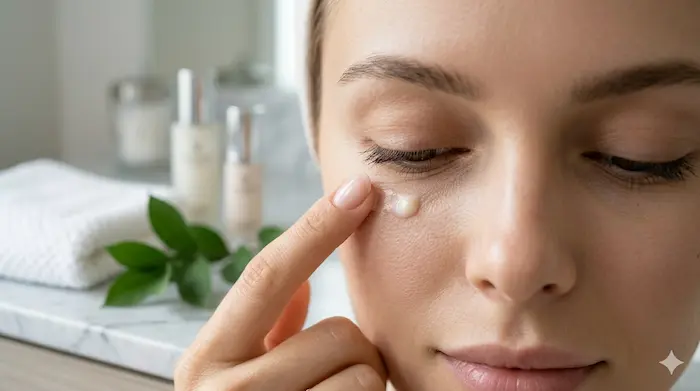
When it comes to science-backed ingredients, retinol (Vitamin A) is the gold standard for under-eye rejuvenation. It stimulates collagen production, speeds cellular turnover, and thickens the thin skin beneath the eyes — making blood vessels less visible over time.
A landmark 2007 study in the Journal of Drugs in Dermatology found that patients using retinol-based eye creams for 12 weeks showed measurable improvement in under-eye darkness and texture. Start with a low-concentration formula (0.025–0.05%) designed specifically for the eye area to avoid irritation, and always apply at night.
6. Improve Sleep Quality & Head Elevation
Best for: all types of dark circles, general prevention
This isn’t just folk wisdom — the Sleep Foundation confirms that chronic sleep deprivation causes blood to pool beneath the eyes, creating bluish-purple shadows. During deep sleep, the body repairs skin cells, flushes out toxins, and regulates cortisol — a stress hormone that accelerates skin aging.
Aim for 7–9 hours of quality sleep per night. Crucially, try sleeping on your back with your head slightly elevated (using an extra pillow) to prevent fluid from accumulating under your eyes overnight — a major cause of morning puffiness.
7. Daily Sunscreen SPF 30+
Best for: hyperpigmentation, prevention, long-term brightening
UV exposure is a direct trigger for melanin overproduction — the process that causes hyperpigmentation under and around the eyes. Despite being one of the most preventable causes of dark circles, sun protection in the under-eye area is widely neglected.
Apply a broad-spectrum SPF 30 or higher mineral sunscreen (zinc oxide or titanium dioxide-based formulas are gentlest around the eyes) every morning, even on cloudy days. The Skin Cancer Foundation recommends wearing UV-protective sunglasses as a complementary strategy, as they block squinting — a repetitive motion that deepens fine lines around the eyes.
8. Hydration — Inside & Out
Best for: all types of dark circles, overall skin health
Dehydration causes the skin to look dull and sunken — particularly noticeable in the thin under-eye area, where dehydration quickly creates a shadowed, hollow appearance. The fix is simple but often overlooked: drink more water.
The National Academies of Sciences recommends approximately 3.7 liters (125 oz) per day for men and 2.7 liters (91 oz) for women from all beverages and food. Pair internal hydration with a topical hyaluronic acid eye serum — a humectant that draws moisture into the skin’s outer layers, plumping and brightening the under-eye region.

9. Vitamin C Serum
Best for: hyperpigmentation, brightening, collagen synthesis
Vitamin C (ascorbic acid) is arguably the most effective topical ingredient for targeting under-eye hyperpigmentation. It works by inhibiting tyrosinase — an enzyme required for melanin production — while simultaneously boosting collagen synthesis to strengthen the skin’s structural integrity.
A 2017 review in Nutrients journal found that topical Vitamin C significantly reduced pigmentation in periorbital areas after 16 weeks of consistent use. Look for formulations with 10–20% L-ascorbic acid or more stable derivatives like sodium ascorbyl phosphate (SAP) if you have sensitive skin. Apply in the morning before sunscreen for maximum efficacy.
Best skincare products of 2026
10. Aloe Vera Gel
Best for: soothing, anti-inflammatory, mild brightening
Aloe vera has been used in skincare for millennia, and modern science confirms why. It contains aloesin, a compound shown to inhibit tyrosinase activity (similar to Vitamin C), along with polysaccharides that intensely moisturize and soothe inflamed skin.
Apply a thin layer of pure aloe vera gel (from the plant itself or a 99%+ pure commercial gel — avoid those with alcohol or artificial fragrance) under the eyes before bed. A study in the Journal of Dermatological Treatment found that aloesin from aloe vera inhibited melanin production by up to 34% in cultured melanocytes, supporting its role as a natural brightening agent.
⚕ When to See a Dermatologist
While home remedies address most mild-to-moderate dark circles, some cases warrant professional attention. Consult a board-certified dermatologist if you notice:
- Dark circles that appear suddenly without a clear lifestyle cause
- Darkness accompanied by significant swelling or pain
- Circles that haven’t improved after 3–4 months of consistent home treatment
- Suspected underlying conditions (anemia, thyroid disorders, kidney issues)
Professional options include laser resurfacing, chemical peels, hyaluronic acid fillers (for hollow tear troughs), and prescription-strength kojic acid or hydroquinone creams.

Frequently Asked Questions (FAQs)
How long does it take for dark circles to fade with home remedies?
Most topical remedies require consistent use over 4–12 weeks before visible improvement. Lifestyle changes (sleep, hydration, SPF) can show results in as little as 1–2 weeks for mild cases. Persistent hereditary dark circles may require professional intervention.
Can dark circles be completely removed?
It depends on the cause. Lifestyle-related dark circles often resolve with consistent treatment. Hereditary or structural circles (caused by bony anatomy or volume loss) may only improve partially with topical treatments but can be significantly addressed with professional procedures like fillers or laser therapy.
Does eye massage help with dark circles?
Yes — gentle lymphatic massage around the eye area can help drain fluid accumulation and improve microcirculation. Always use your ring finger with a serum or oil, using light outward strokes. Never tug or pull the skin, as this can cause premature sagging.
Are dark circles a sign of poor health?
Not always. They are most commonly caused by genetics, aging, and lifestyle factors. However, persistent, sudden-onset circles can occasionally indicate underlying conditions such as anemia, thyroid disorders, or kidney problems. If in doubt, consult a physician.
Final Thoughts
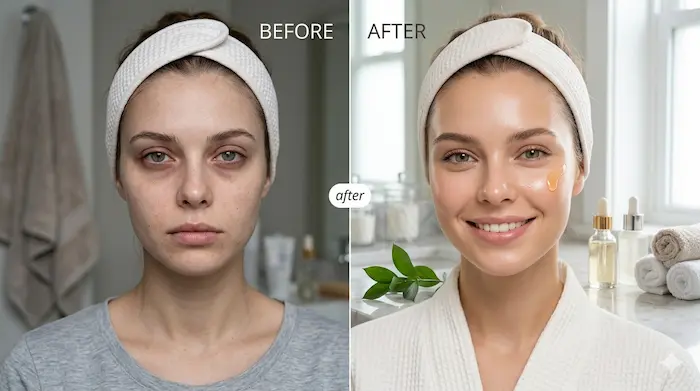
Dark circles under the eyes are rarely a one-ingredient problem — and therefore rarely a one-ingredient solution. The most effective approach is a multi-layered routine: prioritize quality sleep, protect your skin with SPF daily, apply science-backed topicals like retinol and Vitamin C consistently, and support everything with adequate hydration.
Start with the remedies best matched to your specific cause (puffiness, pigmentation, or structural shadowing), give them at least 8–12 weeks of consistent use, and track your progress with weekly photographs in consistent lighting. Small, steady habits outperform expensive overnight fixes every time.
For a deeper dive into skincare science, explore resources from the American Academy of Dermatology or trusted platforms like Healthline’s Dark Circle Guide.

Beauty Care Expert is a skincare-focused content creator dedicated to helping people choose the best beauty and skincare products. We research ingredients like Vitamin C, Retinol, and Niacinamide to provide science-backed recommendations for glowing, healthy skin. Our reviews are based on product analysis, user feedback, and dermatology insights.